
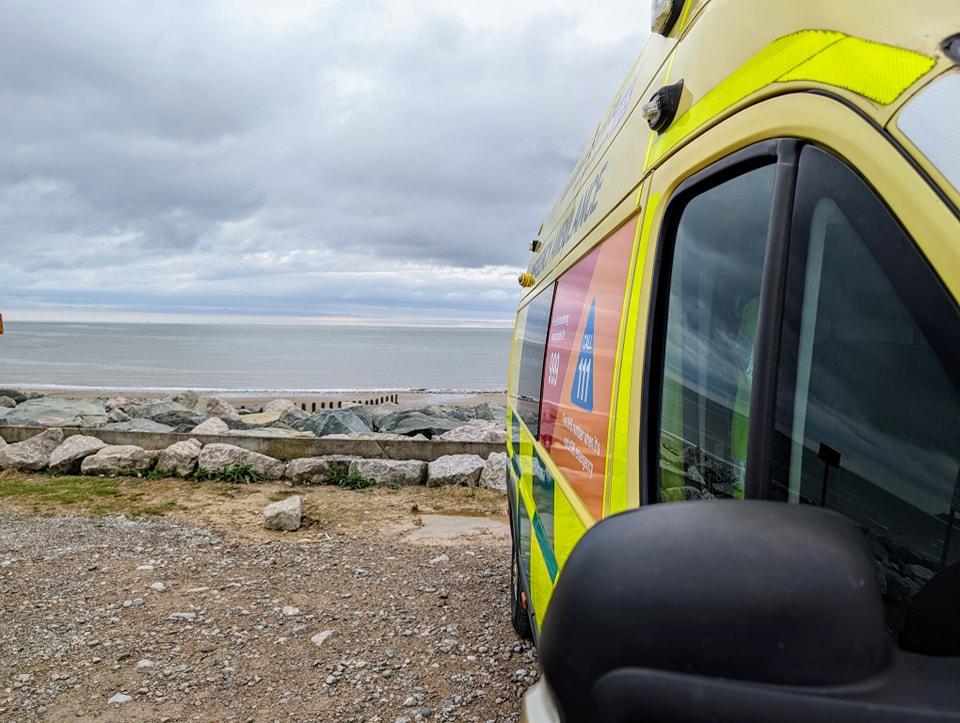
Arranging long-distance patient transport can feel daunting, particularly when someone you care about is unwell, recovering from treatment or unable to travel in an ordinary car.
Whether you’re bringing a relative home from hospital, moving someone closer to family or arranging a specialist medical appointment hundreds of miles away, a long journey requires careful planning.
At Marches Ambulance Service, we provide planned, non-emergency long-distance ambulance transport throughout the UK. Based in Leominster, Herefordshire, our crews undertake patient transfers involving locations across the country.
We’re a CQC-registered independent ambulance service rated GOOD, with established clinical governance and appropriately qualified ambulance professionals.
This guide explains how long-distance patient transfers work, what families should consider, how patients are supported during the journey and how to arrange a quotation.
Need to bring a loved one home?
We can assess your long-distance transport requirements and provide a personalised quotation.
Request a Long-Distance Transport Quote
Or call 01568 605110
What Is Long-Distance Patient Transport?
Long-distance patient transport involves moving a patient between locations that may be many hours apart, using transport appropriate to their mobility and clinical needs.
For some patients, travelling by private car or public transport simply isn’t suitable. They may require a stretcher, help with moving and handling, regular observations or ongoing medical support.
A private ambulance service can arrange a planned transfer with a suitable vehicle, crew and equipment following an assessment of the patient’s requirements.
Common reasons for long-distance patient transport include:
- Returning home after treatment in a distant hospital.
- Moving a relative closer to family members.
- Transferring between hospitals or specialist facilities.
- Relocating to a care home or nursing facility.
- Travelling for specialist appointments or planned treatment.
- Continuing a journey after arriving at a UK airport.
- Transporting a patient who needs to remain on a stretcher.
The distance alone does not determine whether an ambulance is required. The most important consideration is whether the proposed method of transport meets the patient’s needs.
When Might Someone Need a Private Ambulance for a Long Journey?
Returning Home After a Hospital Admission
A person may become unwell while visiting family, travelling or staying elsewhere in the UK. Once they are ready to leave hospital, they may still be unable to undertake a long journey in a conventional vehicle.
A planned private ambulance transfer can provide suitable transport back to their home or local care setting, subject to clinical assessment.
Moving Closer to Family
Families sometimes arrange for an elderly or unwell relative to relocate from one part of the country to another.
This can involve moving from a hospital to a nursing home, between residential care facilities or into a family home.
Where specialist transport is required, the journey should account for the patient’s mobility, personal care needs, clinical condition and access arrangements at both locations.
Travelling to Specialist Medical Treatment
Some patients need to attend specialist hospitals or treatment centres far from where they live.
Private transport may be appropriate when the journey falls outside NHS-funded patient transport arrangements or where privately commissioned transport is preferred.
Airport Collections and Repatriation Transfers
Patients returning to the UK following illness or injury abroad may need onward ambulance transport from an airport to a hospital, care facility or private home.
These journeys can require coordination with medical escorts, assistance companies, airlines or receiving healthcare teams.
Marches can assess suitable UK airport collections and onward transfers as part of our wider patient transport and medical repatriation services.
How Is a Long-Distance Ambulance Journey Planned?
A successful long-distance transfer begins before the ambulance arrives at the collection point.
Our team reviews the information supplied about the patient and proposed journey to establish whether the transfer is appropriate and what resources may be required.
1 Understanding the Patient’s Condition
We consider relevant clinical information, mobility, medical requirements and whether the patient is suitable for the proposed journey. Where necessary, we seek information from the referring clinical team.
2 Choosing the Appropriate Ambulance and Crew
We establish whether the patient needs seated or stretcher transport, specialist moving and handling, clinical monitoring or registered healthcare professionals during the journey.
3 Planning the Route and Journey Duration
We consider the collection point, destination, expected travel time, access arrangements and opportunities for appropriate comfort or rest stops.
4 Preparing for Patient Comfort
We consider positioning, hydration, toileting, fatigue and other individual requirements, particularly when the patient may spend several hours on a stretcher.
5 Arranging Collection and Handover
Where appropriate, arrangements are made for collection from the referring facility and safe handover to the receiving team or destination.
Patient Comfort During a Long-Distance Ambulance Transfer
A six-hour ambulance journey is not the same as a short transfer across town.
Remaining in one position for an extended period can be uncomfortable, particularly for somebody with limited mobility, pain or an existing medical condition.
Planning for comfort is therefore an important part of long-distance patient transport.
Positioning and Movement
Some patients need assistance changing position, particularly when travelling on a stretcher.
Where appropriate and clinically suitable, the crew can consider opportunities for repositioning or supported movement in accordance with the patient’s care needs.
Individual requirements such as pressure-area care should be identified during the assessment and incorporated into the transfer plan.
Food and Hydration
For patients who are permitted to eat and drink, appropriate arrangements for refreshments and hydration should be considered before departure.
Particular attention may be needed when the patient has swallowing difficulties, dietary restrictions, fluid restrictions or other relevant medical requirements.
Toileting and Personal Care
Toileting needs can be especially important on longer journeys and should be discussed sensitively when planning the transfer.
Depending on the patient’s mobility and circumstances, suitable arrangements may need to be made for stops, personal care or continence support.
Rest Stops and Journey Times
Where clinically appropriate, comfort stops can be considered as part of the journey plan.
Travel time may also be affected by traffic, weather, the patient’s condition or an unforeseen requirement to stop.
The aim is to plan a journey that accommodates the patient’s assessed needs, rather than simply achieving the shortest possible travel time.
Can Someone Travel on a Stretcher for Several Hours?
Yes. Suitable patients can undertake long-distance journeys on a stretcher, provided their condition and care requirements are appropriately assessed.
Stretcher transport can be useful for people who are unable to sit safely or comfortably for a prolonged period.
However, a long stretcher journey requires consideration of the patient’s positioning, pressure-related risks, mobility, clinical condition and comfort needs.
Needing a stretcher does not automatically mean a paramedic is required. The appropriate crew depends on the patient’s overall clinical requirements.
Where monitoring, oxygen or other clinical support is needed, the crew and equipment are selected according to the assessed needs of the patient.
What Medical Support Is Available During the Journey?
Long-distance ambulance transfers can involve different levels of support depending on the patient.
For some people, assistance with mobility and comfortable, appropriately equipped transport may be sufficient.
Others may require clinical observations, oxygen, more specialised monitoring or registered healthcare professionals.
Marches can assess requirements for:
- Ambulance care and emergency medical technician crews.
- Registered paramedics or nurses where appropriate.
- Stretcher transport and moving and handling assistance.
- Clinical observations and appropriate monitoring.
- Oxygen or other clinically indicated equipment.
- Higher-dependency patient transfers.
The appropriate level of provision is determined during the clinical assessment. Not every patient is suitable for every type of road transfer.
How Much Does Long-Distance Patient Transport Cost?
The cost of a long-distance ambulance transfer depends on the journey and the resources required.
Unlike an ordinary taxi fare, private ambulance quotations may account for much more than the distance between the collection and destination.
Relevant factors include:
- Travel to the patient’s collection location.
- The distance and duration of the patient journey.
- Return travel and crew availability.
- The qualifications and number of crew members required.
- Stretcher, mobility and moving and handling needs.
- Clinical equipment and monitoring requirements.
- Any additional travel or operational arrangements.
For example, a transfer from northern England to Herefordshire may involve considerably more crew and vehicle time than the patient journey alone.
At Marches, quotations are prepared individually according to the proposed arrangements and clinical requirements.
For a fuller explanation, read our guide to private ambulance costs in the UK.
Want to know what your journey would cost?
Provide the collection location, destination, patient requirements and preferred date, and we can prepare a quotation.
How Much Notice Is Needed for Long-Distance Transport?
Advance notice is helpful, particularly for journeys requiring additional clinical staffing or specialist equipment.
However, some transport needs arise at short notice, such as when a hospital confirms that a patient is ready for discharge.
Marches can consider short-notice journeys depending on the patient’s needs, available crews and operational capacity.
If a journey is likely to be required, contacting us early can help with planning even when the discharge date has not yet been confirmed.
Can a Family Member Travel With the Patient?
In some circumstances, a family member or carer may be able to accompany the patient.
This depends on the ambulance’s available seating, the patient’s clinical requirements, safety considerations and the arrangements for the journey.
Please mention accompanying passengers when requesting transport so that suitability can be considered before the booking is confirmed.
Why Choose Marches Ambulance Service?
Marches Ambulance Service is based in Leominster, Herefordshire, and provides planned private ambulance journeys throughout the UK.
✓ CQC Registered & Rated GOOD
Established clinical governance and regulated ambulance provision.
✓ Long-Distance Transfer Experience
Practical experience arranging journeys between locations across the United Kingdom.
✓ Appropriate Clinical Staffing
Crew qualifications and equipment determined according to the patient’s assessed needs.
✓ Patient-Centred Journey Planning
Attention to comfort, positioning, rest arrangements and individual care needs.
✓ Clear Quotations
Individual pricing based on the proposed journey and transport requirements.
Frequently Asked Questions About Long-Distance Patient Transport
Can a private ambulance transport someone across the UK?
Yes. Suitable patients can be transported over substantial distances by private ambulance, subject to clinical assessment and availability. Marches provides planned journeys throughout the UK.
Can you bring a relative home from a distant hospital?
Yes. We can consider planned transfers from hospitals in other parts of the country to private homes, care homes or healthcare facilities, provided the journey is clinically appropriate.
Is long-distance ambulance transport suitable for elderly patients?
Age alone does not determine whether a journey is suitable. We consider the individual’s medical condition, mobility, comfort and required support when assessing the proposed transfer.
Can a patient travel lying down?
Yes. We provide stretcher-equipped ambulance transport for suitable patients who need to remain lying down during the journey.
Will the ambulance stop during a long journey?
Stops may be included where appropriate for patient comfort, clinical needs or operational requirements. The arrangements depend on the individual patient’s condition and journey plan.
Can you provide oxygen during a transfer?
Where clinically appropriate, oxygen can be provided with the necessary equipment and appropriately qualified staff. Requirements are assessed before the booking is accepted.
How long can a patient remain on a stretcher?
There is no single duration suitable for every patient. Transport suitability depends on the patient’s condition, positioning requirements, pressure-related risks and ability to tolerate the planned journey.
Does the NHS pay for long-distance ambulance transport?
NHS-funded transport depends on the relevant eligibility and commissioning arrangements. Marches provides privately commissioned transfers, with costs agreed before booking.
How do I book long-distance patient transport?
Contact us with the collection location, destination, preferred date and relevant patient information. We’ll assess the requirements and prepare a quotation where the proposed journey is suitable.
Arrange Long-Distance Patient Transport
If you need to bring a relative home, arrange a specialist transfer or move someone to a care facility in another part of the country, Marches Ambulance Service can discuss suitable options.
Our team can consider the patient’s mobility, clinical needs, journey duration and transport arrangements before providing a personalised quotation.
Request a Long-Distance Ambulance Quote
Tell us where the patient needs to travel, when transport is required and what assistance they need.
Call 01568 605110
Further Information About Private Ambulance Transport
This information relates to planned, non-emergency patient transport. In a life-threatening emergency, call 999.